
درجة الحرارة اللازمة للمعالجة
درجة حرارة المعالجة الطلاء المطابق يختلف باختلاف كيمياء الطلاء وطريقة المعالجة. في تجميع ثنائي الفينيل متعدد الكلور, تجميع النموذج الأولي لثنائي الفينيل متعدد الكلور, و تجميع SMT, ، يعد اختيار درجة الحرارة الصحيحة أمرًا ضروريًا لضمان تكوين الغشاء المناسب والالتصاق والموثوقية على المدى الطويل دون الإضرار بالمكونات الإلكترونية الحساسة.
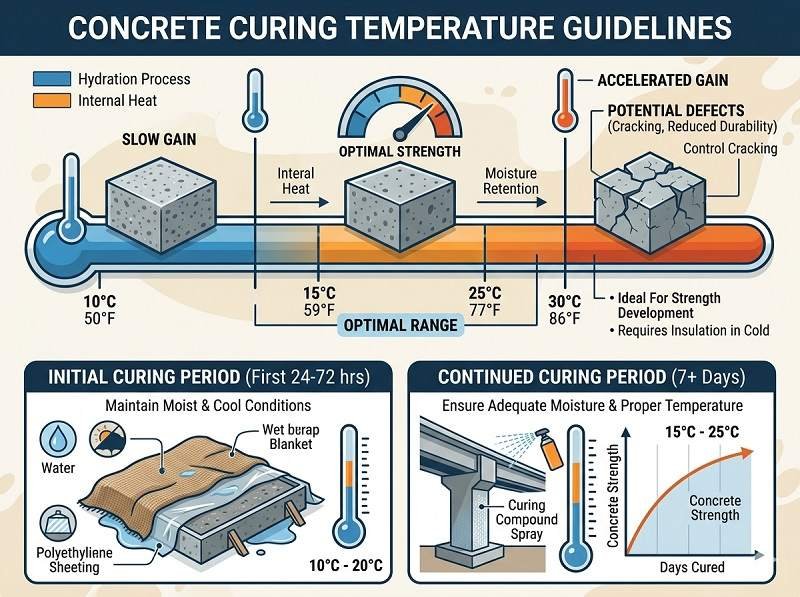
نطاقات درجة حرارة المعالجة النموذجية
المعالجة في درجة حرارة الغرفة (التجفيف بالهواء)
يعالج العديد من طلاءات الأكريليك عند 20-25 درجة مئوية (68-77 درجة فهرنهايت). على الرغم من أنها قد تصبح خالية من المسامير بسرعة، إلا أن المعالجة الكاملة قد تستغرق ما يصل إلى 24 ساعة. يشيع استخدام هذه الطريقة في تجميع النموذج الأولي لثنائي الفينيل متعدد الكلور نظرًا لبساطته وانخفاض متطلباته من المعدات.
المعالجة الحرارية (المعالجة بالفرن)
تُستخدم المعالجة بالحرارة على نطاق واسع في تجميع SMT لتسريع العملية. تشمل نطاقات درجات الحرارة النموذجية ما يلي:
- طلاءات الأكريليك: 60-80°C
- طلاءات البولي يوريثان: 80-120°C
- طلاءات الإيبوكسي: 100-150°C
- طلاءات السيليكون: 80-120°C
تقلل درجات الحرارة هذه من وقت المعالجة بشكل كبير وتحسن أداء الطلاء في الكتلة تجميع ثنائي الفينيل متعدد الكلور.
المعالجة بالأشعة فوق البنفسجية
قابل للمعالجة بالأشعة فوق البنفسجية الطلاء المطابق لا تعتمد على درجة الحرارة ولكن بدلاً من ذلك تستخدم الأشعة فوق البنفسجية لبدء المعالجة. ومع ذلك، فإن درجات الحرارة المحيطة 20-30°C لا تزال موصى بها للمعالجة المستقرة. في الكثافة تجميع SMT, قد تستخدم أنظمة المعالجة المزدوجة حرارة معتدلة (على سبيل المثال، 60-80 درجة مئوية) لمعالجة المناطق المظللة.
المعالجة بالرطوبة
تعالج بعض طلاءات السيليكون والبولي يوريثان عن طريق التفاعل مع الرطوبة في الهواء. تعمل هذه عادةً عند درجة حرارة الغرفة, ولكن الرطوبة المثلى (40-70% RH) مطلوبة. لا تزال درجة الحرارة تؤثر على سرعة التفاعل في تجميع ثنائي الفينيل متعدد الكلور البيئات.
العوامل المؤثرة على درجة حرارة المعالجة
حساسية المكونات
قد يكون للمكونات الإلكترونية حدود قصوى لدرجات الحرارة. يمكن أن تؤدي الحرارة المفرطة أثناء المعالجة إلى تلف الأجزاء، خاصة في الأجزاء عالية الكثافة تجميع SMT.
سُمك الطلاء
قد تتطلب الطلاءات الأكثر سمكًا درجات حرارة أعلى أو أوقات معالجة أطول للمعالجة الكاملة.
سرعة الإنتاج
يمكن أن تؤدي درجات الحرارة المرتفعة إلى تسريع المعالجة، مما يحسن الإنتاجية في عمليات المعالجة واسعة النطاق تجميع ثنائي الفينيل متعدد الكلور, ولكن يجب التحكم فيها بعناية.
مواصفات المواد
يحتوي كل طلاء على مواصفات المعالجة الموصى بها من قبل الشركة المصنعة. يمكن أن يؤدي الانحراف عن هذه الإرشادات إلى عدم اكتمال المعالجة أو حدوث عيوب.
أفضل الممارسات للتحكم في درجة حرارة المعالجة
- اتبع دائمًا مواصفات درجة الحرارة الموصى بها من الموردين
- استخدام أفران مُعايرة ذات توزيع حراري موحد
- تجنب الزيادات السريعة في درجات الحرارة التي قد تتسبب في حدوث فقاعات أو إجهاد
- التحقق من صحة نتائج المعالجة في تجميع النموذج الأولي لثنائي الفينيل متعدد الكلور قبل الإنتاج الضخم
- راقب كلاً من درجة الحرارة والوقت للحصول على جودة ثابتة
في الختام، درجات حرارة المعالجة لـ الطلاء المطابق تتراوح عادةً بين درجة حرارة الغرفة حتى 150 درجة مئوية, اعتمادًا على نوع الطلاء والعملية. التحكم المناسب في درجة الحرارة في تجميع ثنائي الفينيل متعدد الكلور, تجميع SMT, و تجميع النموذج الأولي لثنائي الفينيل متعدد الكلور يضمن الأداء الأمثل للطلاء والمتانة وموثوقية المنتج.
احصل على عرض أسعار الطلاء المطابق
هل تبحث عن شريك موثوق به في PCBA مع إمكانية الطلاء المطابق؟ دعنا نتحدث.
أرسل لنا متطلباتك واحصل على استجابة سريعة من فريقنا الهندسي.
✔ استجابة على مدار 24 ساعة ✔ دعم هندسي ✔ دعم هندسي ✔ إنتاج صغير وضخم
شركة Shenzhen Tengxinjie Electronics Co., Ltd.
 العربية
  English
  Deutsch
  Français
  Português do Brasil
  Español
  日本語
日本語  Nederlands
  Italiano
  Русский
  한국어
한국어  Svenska
  Polski
  Türkçe
  繁體中文
繁體中文