
Introduction
Printed Circuit Board Assemblies (PCBA) form the backbone of modern electronic devices, integrating components and circuits into a functional system. To guarantee long-term stability and performance, manufacturers conduct pcba aging test—a critical step that simulates real-world operating conditions and identifies potential weaknesses before products reach consumers.
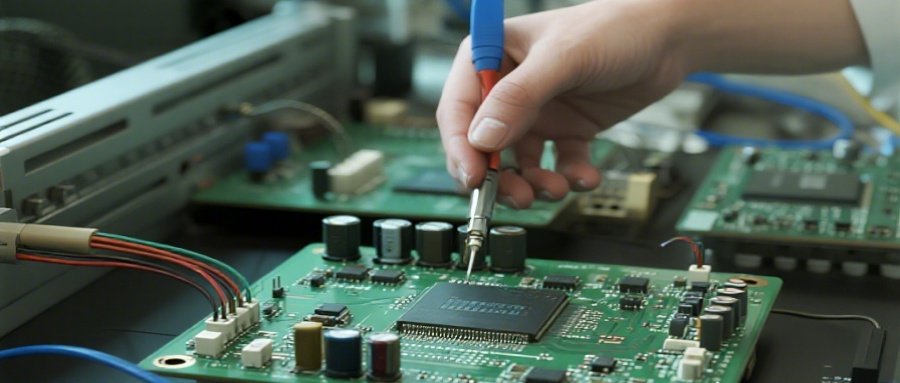
Purpose of PCBA Aging Tests
- Reliability assurance: Detect hidden defects such as poor soldering, mismatched components, or latent faults.
- Performance validation: Confirm that the PCBA maintains stable electrical and mechanical parameters under stress.
- Risk reduction: Prevent early-life failures that could damage brand reputation and increase warranty costs.
- Quality improvement: Provide feedback for design and manufacturing optimization.
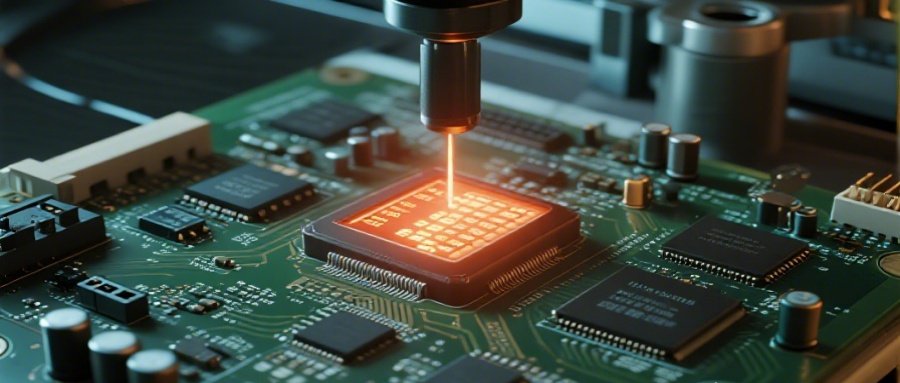
Common Test Methods
| Method | Description | Key Purpose |
|---|---|---|
| High-temperature aging | Expose PCBA to elevated temperatures for extended periods. | Reveal thermal stability and solder joint reliability. |
| Low-temperature aging | Test under extreme cold conditions. | Assess performance in outdoor or aerospace environments. |
| Thermal cycling | Alternate between high and low temperatures. | Simulate daily environmental changes and detect expansion/contraction stress. |
| Power-on aging | Operate PCBA continuously under load. | Identify electrical overstress and long-term stability issues. |
| Humidity testing | Subject PCBA to high humidity levels. | Evaluate corrosion resistance and insulation reliability. |
Industry Standards and Guidelines
- IPC standards: Provide global benchmarks for PCB and PCBA reliability testing.
- IEC standards: Define environmental and electrical stress test procedures.
- Manufacturer-specific protocols: Tailored to product type, application, and customer requirements.
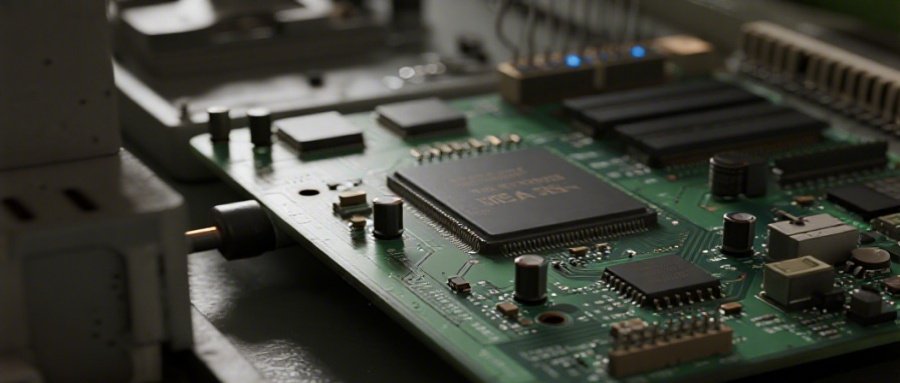
Best Practices for Implementation
- Define test objectives: Align aging test parameters with product use cases.
- Use calibrated equipment: Ensure accuracy and repeatability of test results.
- Document results thoroughly: Maintain traceability for quality audits and customer assurance.
- Integrate feedback loops: Apply test findings to improve design and production processes.
Risks and Challenges
- Over-testing: Excessive stress may damage otherwise reliable boards.
- Under-testing: Insufficient simulation can miss critical defects.
- Cost vs. benefit: Aging tests increase production time and expense but reduce warranty risks.
Conclusion
PCBA aging tests are indispensable for ensuring the long-term reliability of electronic products. By simulating environmental and operational stresses, manufacturers can identify weaknesses early, enhance product quality, and build consumer trust. Adhering to international standards and best practices ensures that PCBA boards meet the demands of increasingly complex and harsh application environments.

 English
  Deutsch
  Français
  Português do Brasil
  Español
  日本語
日本語  Nederlands
  Italiano
  Русский
  한국어
한국어  العربية
  Svenska
  Polski
  Türkçe
  繁體中文
繁體中文