
A temperatura é necessária para a cura
A temperatura de cura de Revestimento conformacional varia de acordo com a química do revestimento e o método de cura. Em Montagem de PCB, Montagem de protótipo de PCB, e Montagem SMT, Para garantir a formação adequada do filme, a adesão e a confiabilidade a longo prazo sem danificar os componentes eletrônicos sensíveis, é essencial selecionar a temperatura correta.
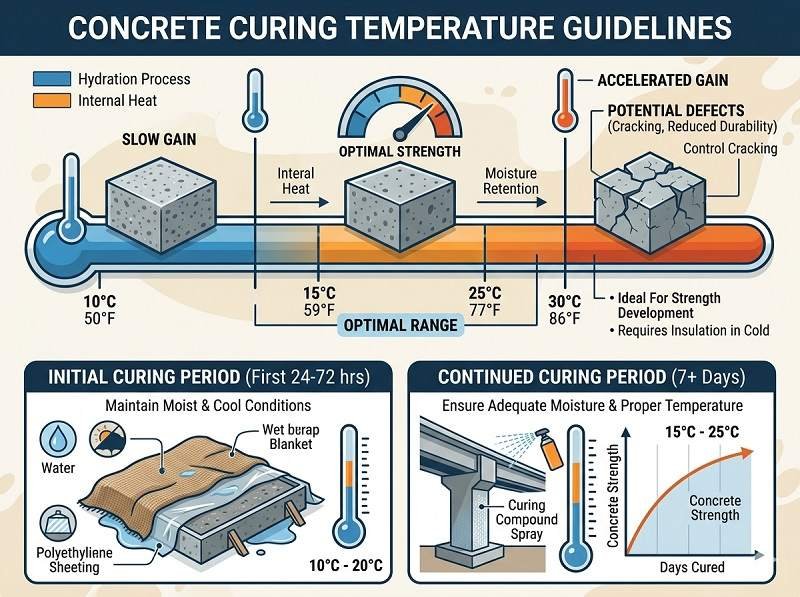
Faixas típicas de temperatura de cura
Cura em temperatura ambiente (secagem ao ar)
Muitos revestimentos acrílicos curam a 20-25°C (68-77°F). Embora eles possam se tornar livres de aderência rapidamente, a cura total pode levar até 24 horas. Esse método é comumente usado em Montagem de protótipo de PCB devido à sua simplicidade e aos baixos requisitos de equipamento.
Cura térmica (cura em forno)
A cura por calor é amplamente utilizada em Montagem SMT para acelerar o processo. As faixas de temperatura típicas incluem:
- Revestimentos acrílicos: 60-80°C
- Revestimentos de poliuretano: 80-120°C
- Revestimentos epóxi: 100-150°C
- Revestimentos de silicone: 80-120°C
Essas temperaturas reduzem significativamente o tempo de cura e melhoram o desempenho do revestimento em massa Montagem de PCB.
Cura UV
Curável por UV Revestimento conformacional não depende da temperatura, mas usa luz ultravioleta para iniciar a cura. Entretanto, temperaturas ambientes de 20-30°C ainda são recomendados para um processamento estável. Em ambientes densos Montagem SMT, Os sistemas de cura dupla podem usar calor moderado (por exemplo, 60-80°C) para curar as áreas sombreadas.
Cura por umidade
Alguns revestimentos de silicone e poliuretano curam ao reagir com a umidade do ar. Normalmente, eles operam a temperatura ambiente, mas é necessária uma umidade ideal (40-70% RH). A temperatura ainda afeta a velocidade da reação em Montagem de PCB ambientes.
Fatores que influenciam a temperatura de cura
Sensibilidade do componente
Os componentes eletrônicos podem ter limites máximos de temperatura. O calor excessivo durante a cura pode danificar as peças, especialmente em componentes de alta densidade. Montagem SMT.
Espessura do revestimento
Revestimentos mais espessos podem exigir temperaturas mais altas ou tempos de cura mais longos para curar completamente.
Velocidade de produção
Temperaturas mais altas podem acelerar a cura, melhorando o rendimento em larga escala Montagem de PCB, mas deve ser cuidadosamente controlado.
Especificações do material
Cada revestimento tem um perfil de cura recomendado pelo fabricante. O desvio dessas diretrizes pode levar a uma cura incompleta ou a defeitos.
Práticas recomendadas para o controle da temperatura de cura
- Siga sempre os perfis de temperatura recomendados pelo fornecedor
- Use fornos calibrados com distribuição uniforme de calor
- Evite aumentos rápidos de temperatura que possam causar bolhas ou estresse
- Validar os resultados da cura em Montagem de protótipo de PCB antes da produção em massa
- Monitore a temperatura e o tempo para obter uma qualidade consistente
Em conclusão, as temperaturas de cura para Revestimento conformacional normalmente variam de temperatura ambiente até 150°C, dependendo do tipo de revestimento e do processo. O controle adequado da temperatura em Montagem de PCB, Montagem SMT, e Montagem de protótipo de PCB garante o desempenho ideal do revestimento, a durabilidade e a confiabilidade do produto.
Obter uma cotação de revestimento isolante
Procurando um parceiro confiável de PCBA com capacidade de revestimento isolante? Vamos conversar.
Envie-nos seus requisitos e receba uma resposta rápida de nossa equipe de engenharia.
Resposta 24 horas ✔ Suporte de engenharia ✔ Produção pequena e em massa
Shenzhen Tengxinjie Electronics Co., Ltd.
 Português do Brasil
  English
  Deutsch
  Français
  Español
  日本語
日本語  Nederlands
  Italiano
  Русский
  한국어
한국어  العربية
  Svenska
  Polski
  Türkçe
  繁體中文
繁體中文