
Do utwardzania potrzebna jest temperatura
Temperatura utwardzania Powłoka konformalna różni się w zależności od składu chemicznego powłoki i metody utwardzania. W Montaż PCB, Montaż prototypów PCB, oraz Montaż SMT, Wybór odpowiedniej temperatury jest niezbędny do zapewnienia prawidłowego tworzenia się powłoki, przyczepności i długoterminowej niezawodności bez uszkadzania wrażliwych elementów elektronicznych.
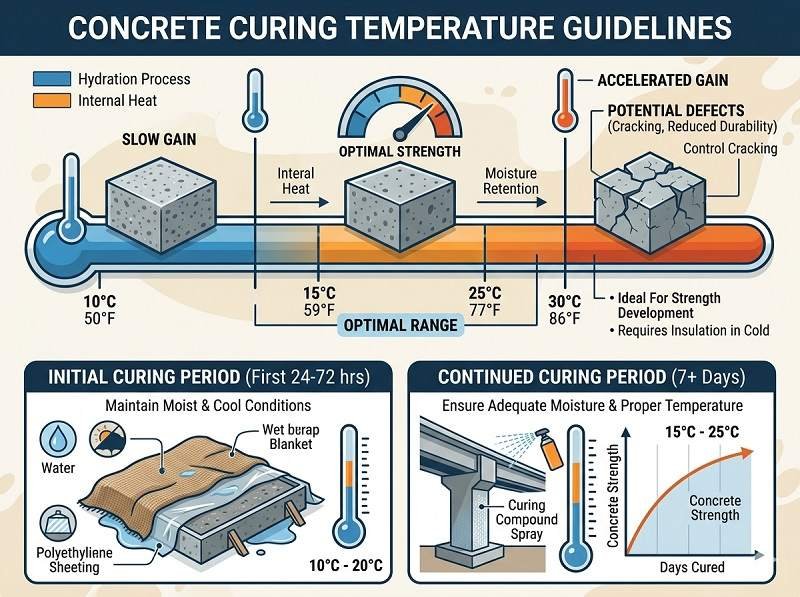
Typowe zakresy temperatur utwardzania
Utwardzanie w temperaturze pokojowej (suszenie powietrzem)
Wiele powłok akrylowych utwardza się w 20-25°C (68-77°F). Chociaż mogą one szybko stać się wolne od kleju, pełne utwardzenie może potrwać do 24 godzin. Metoda ta jest powszechnie stosowana w Montaż prototypów PCB ze względu na prostotę i niskie wymagania sprzętowe.
Utwardzanie termiczne (utwardzanie w piecu)
Utwardzanie termiczne jest szeroko stosowane w Montaż SMT aby przyspieszyć proces. Typowe zakresy temperatur obejmują:
- Powłoki akrylowe: 60-80°C
- Powłoki poliuretanowe: 80-120°C
- Powłoki epoksydowe: 100-150°C
- Powłoki silikonowe: 80-120°C
Temperatury te znacznie skracają czas utwardzania i poprawiają wydajność powłoki w masie Montaż PCB.
Utwardzanie promieniami UV
Utwardzany promieniami UV Powłoka konformalna nie opiera się na temperaturze, ale zamiast tego wykorzystuje światło ultrafioletowe do zainicjowania utwardzania. Jednakże, temperatury otoczenia 20-30°C są nadal zalecane do stabilnego przetwarzania. W gęstych Montaż SMT, Systemy podwójnego utwardzania mogą wykorzystywać łagodne ciepło (np. 60-80°C) do utwardzania zacienionych obszarów.
Utwardzanie wilgocią
Niektóre powłoki silikonowe i poliuretanowe utwardzają się w reakcji z wilgocią zawartą w powietrzu. Zazwyczaj działają one w temperaturze temperatura pokojowa, ale wymagana jest optymalna wilgotność (40-70% RH). Temperatura nadal wpływa na szybkość reakcji w Montaż PCB środowiska.
Czynniki wpływające na temperaturę utwardzania
Czułość podzespołów
Komponenty elektroniczne mogą mieć maksymalne limity temperatury. Nadmierne ciepło podczas utwardzania może uszkodzić części, szczególnie w przypadku elementów o dużej gęstości. Montaż SMT.
Grubość powłoki
Grubsze powłoki mogą wymagać wyższych temperatur lub dłuższego czasu utwardzania do pełnego utwardzenia.
Szybkość produkcji
Wyższe temperatury mogą przyspieszyć utwardzanie, poprawiając przepustowość na dużą skalę. Montaż PCB, ale musi być dokładnie kontrolowana.
Specyfikacje materiałowe
Każda powłoka ma zalecany profil utwardzania dostarczony przez producenta. Odstępstwa od tych wytycznych mogą prowadzić do niepełnego utwardzenia lub defektów.
Najlepsze praktyki w zakresie kontroli temperatury utwardzania
- Należy zawsze przestrzegać profili temperatury zalecanych przez dostawcę
- Używaj skalibrowanych pieców z równomiernym rozprowadzaniem ciepła.
- Unikaj gwałtownych wzrostów temperatury, które mogą powodować powstawanie pęcherzyków lub naprężeń.
- Sprawdź wyniki utwardzania w Montaż prototypów PCB przed masową produkcją
- Monitorowanie temperatury i czasu w celu zapewnienia stałej jakości
Podsumowując, temperatury utwardzania dla Powłoka konformalna zazwyczaj wahają się od temperatura pokojowa do 150°C, w zależności od rodzaju powłoki i procesu. Właściwa kontrola temperatury w Montaż PCB, Montaż SMT, oraz Montaż prototypów PCB zapewnia optymalną wydajność powłoki, trwałość i niezawodność produktu.
Uzyskaj wycenę powłoki konformalnej
Szukasz zaufanego partnera PCBA z możliwością powlekania konformalnego? Porozmawiajmy.
Prześlij nam swoje wymagania i uzyskaj szybką odpowiedź od naszego zespołu inżynierów.
24-godzinna reakcja ✔ Wsparcie inżynieryjne ✔ Mała i masowa produkcja
Shenzhen Tengxinjie Electronics Co., Ltd.
 Polski
  English
  Deutsch
  Français
  Português do Brasil
  Español
  日本語
日本語  Nederlands
  Italiano
  Русский
  한국어
한국어  العربية
  Svenska
  Türkçe
  繁體中文
繁體中文