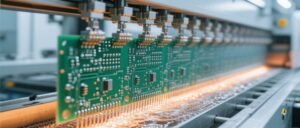
Why Are PCBs Green? The Science and Story Behind the Classic Color
Printed Circuit Boards (PCBs) are the unsung heroes of modern electronics, silently powering everything from smartphones to industrial control systems. Among their many curious features, the iconic green color stands out. But why green? This article explores the history, science, and practical reasons behind this design choice, using accessible language to ensure inclusivity for readers of all backgrounds.

1. Historical Origins: A Legacy of Practicality
The green color traces back to the early days of PCB manufacturing. Initially, engineers needed a material to protect the copper traces from oxidation and environmental damage. Epoxy resin, a durable and cost-effective solution, became the standard base material. To enhance visibility during inspection and assembly, manufacturers added a green solder mask—a layer that covers the copper while leaving exposed areas for component soldering.
Over time, green became the industry norm due to its contrast against copper and other components. This made it easier for technicians to spot defects or misalignments during production. While other colors (like blue, red, or black) exist today, green remains the most widely adopted, symbolizing decades of tradition and reliability.

2. Technical Benefits: Why Green Dominates
The choice of green isn’t arbitrary; it’s rooted in practical advantages:
- Contrast and Visibility: Green provides a sharp contrast against white silkscreen markings (text and symbols printed on the board) and copper traces. This helps engineers and assembly robots identify components and pathways with precision, reducing errors during manufacturing.
- Durability and Protection: The green solder mask is chemically resistant, shielding the PCB from moisture, dust, and temperature fluctuations. This is critical for devices like industrial control equipment, where reliability can mean the difference between smooth operation and costly downtime.
- Cost-Effectiveness: Green pigments are abundant and inexpensive to produce, making them a pragmatic choice for mass-produced electronics. For example, billions of smartphones rely on green PCBs annually, where efficiency and scalability are paramount.

3. The Role of PCBA in Modern Electronics
To appreciate the PCB’s color, it’s helpful to understand its function in Printed Circuit Board Assembly (PCBA). PCBA is the process of attaching electronic components to a PCB, transforming it into a functional circuit system. Here, the green board acts as a canvas:
- Signal Transmission: Copper traces on the PCB carry electrical signals between components, enabling devices like smart home appliances to communicate seamlessly.
- Power Distribution: The board distributes power efficiently, ensuring stable operation in everything from medical devices to automotive systems.
- Data Processing: Integrated circuits (ICs) mounted on the PCB process data, allowing industrial control equipment to make real-time decisions.
The green solder mask doesn’t just look familiar—it supports these core functions by maintaining structural integrity and facilitating precise assembly.

4. Inclusivity in Design: Beyond Green
While green dominates, the electronics industry embraces diversity in PCB colors. Here’s why:
- Aesthetic Appeal: Some manufacturers use blue or black PCBs for sleek designs in consumer electronics, catering to brands that prioritize visual appeal.
- Specialized Applications: In high-end industrial or aerospace systems, red or white PCBs may be used for better heat dissipation or visibility under specific lighting conditions.
- Accessibility Considerations: For individuals with visual impairments, high-contrast colors (like black with white markings) can improve readability during repairs or prototyping.
This inclusivity reflects the industry’s adaptability, ensuring PCBs meet diverse needs without compromising performance.

5. Conclusion: A Color with Purpose
The green PCB is more than a design quirk—it’s a testament to decades of innovation, balancing practicality, cost, and functionality. As our world becomes increasingly reliant on smart devices and industrial automation, the humble green board continues to play a pivotal role. Whether in a smartphone’s compact circuitry or a factory’s control system, its color tells a story of resilience, efficiency, and the relentless pursuit of better technology.
By understanding the “why” behind the green, we gain a deeper appreciation for the engineering marvels that power our daily lives—one board at a time.