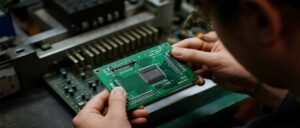
Navigating the Volatile Global Component Market
The last few years have starkly revealed the fragility of global supply chains. For businesses relying on timely PCBA production, component shortages, extended lead times, and sudden price spikes are no longer hypothetical risks—they are daily challenges. When selecting a PCBA quick production service provider, simply asking about “lead time” is insufficient. A critical step is evaluating your supplier’s proactive risk mitigation strategies, particularly their raw material and component inventory management capacity.
A supplier’s inventory strategy is a direct measure of their control over the production timeline and their financial stability. This article outlines four non-negotiable questions you must ask your potential PCBA partner to truly assess their resilience against supply chain disruptions.
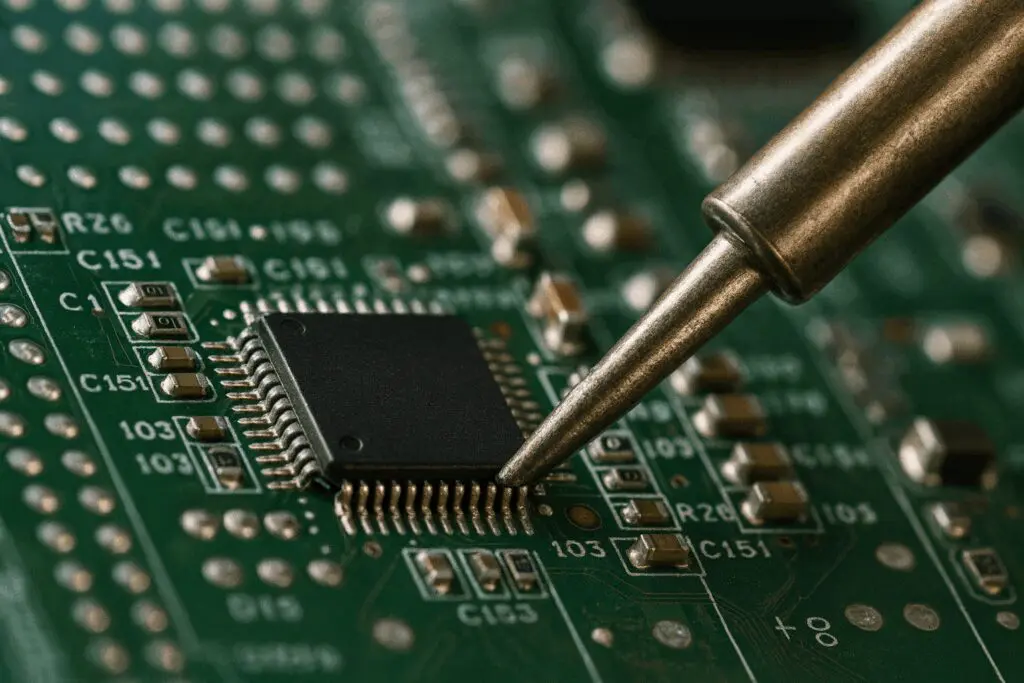
Criterion 1: Inventory Strategy for Long-Lead-Time and Critical Components (Buffer Stock)
The foundation of supply chain resilience is how a supplier handles the components most likely to cause delays.
- The Problem: Microcontrollers (MCUs), memory chips, and specific passive components often have lead times extending far beyond standard production cycles (sometimes 52+ weeks).
- Evaluation Question: “Do you maintain a strategic ‘buffer stock’ of general-use, long-lead-time components, and do you offer consignment inventory options?”
- Manufacturer Advantage: A resilient supplier, especially one with its own factory, invests capital in maintaining a dedicated buffer of high-volume, general-purpose components (e.g., specific STM32 MCUs, common capacitors/resistors). This buffer significantly shortens lead times for new and quick-turn projects. Furthermore, offering consignment inventory (where the client pre-purchases critical, unique parts held by the supplier) demonstrates a partnership approach to risk sharing.
Criterion 2: Source Control and Authorized Supplier Channels (Authenticity & Stability)
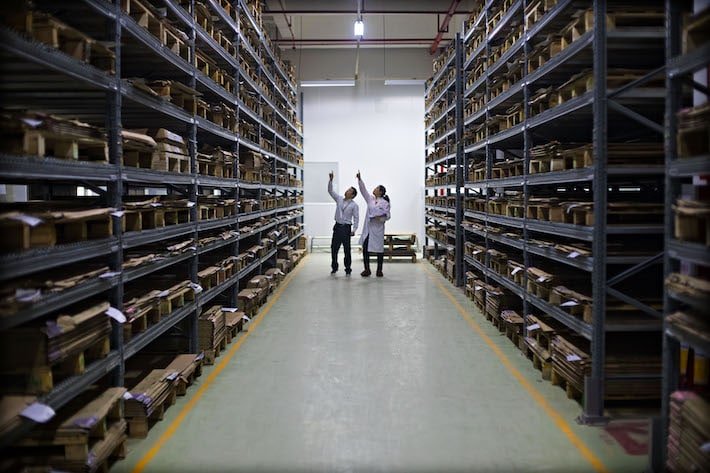
Inventory volume is meaningless if the parts are procured from unreliable sources, which introduces risks of counterfeits, poor quality, and abrupt price changes.
- The Problem: Non-authorized brokers often provide components quickly but lack guarantees on quality and origin, risking costly failures during or after assembly.
- Evaluation Question: “What is your formal process for component procurement, and what percentage of your BOM is sourced through authorized (Tier 1) distributors vs. open market channels?”
- Manufacturer Advantage: A trustworthy PCBA manufacturer operates with a closed-loop procurement system focused primarily on Tier 1 authorized distributors (e.g., Digi-Key, Mouser, Arrow) for verifiable provenance. They should have a clear, documented approval process (like PPAP – Production Part Approval Process) for any necessary open-market purchases, ensuring stringent quality checks to mitigate the risk of counterfeits.
Criterion 3: Forecasting, Communication, and Inventory Transparency (Visibility)
A good inventory strategy requires both a physical stock and the software systems to manage and communicate that stock effectively.
- The Problem: Lack of real-time inventory visibility leads to last-minute part substitutions or unexpected project halts.
- Evaluation Question: “What tools or systems do you use to provide us with real-time component availability against our BOM, and what is your process for managing End-of-Life (EOL) or obsolete parts?”
- Manufacturer Advantage: The best suppliers offer digital inventory platforms that integrate your BOM directly with their stock levels and global distributor data. They should proactively flag EOL components before the final build and provide expert advice on cross-referencing and qualification of alternative parts to ensure continuity without compromising performance.
Criterion 4: Financial Strength and Inventory Investment (Scale & Stability)

Maintaining extensive component inventory requires significant capital investment, which reflects the supplier’s financial stability and long-term commitment.
- The Problem: A small, financially constrained supplier may be forced to bid low and then compromise on material quality or lead times when the market tightens.
- Evaluation Question: “How do you measure the value of your strategic component inventory, and what is the typical inventory turnover rate?” (A measured investment in inventory indicates financial health).
- Manufacturer Advantage: A supplier like one with its own factory (founded in 2015) demonstrates a proven track record of capital investment. A willingness to invest in strategic inventory confirms they are committed to providing a stable, low-risk manufacturing environment rather than operating simply as a broker seeking immediate, short-term profit.
Conclusion and Call to Action
In today’s manufacturing landscape, your PCBA supplier must be more than just a fabrication shop—they must be a robust and reliable supply chain partner. The resilience of their component inventory is the single greatest predictor of your project’s success, timeline, and cost control. By demanding transparent answers to these four questions, you can ensure your project is shielded from the turbulence of the global component market.
Secure your supply chain today. Contact our procurement specialists to analyze your critical BOM requirements and see how our managed inventory system can safeguard your next PCBA project.