
Introduction
Printed Circuit Board Assembly (PCBA) is the foundation of modern electronics manufacturing. While the goal is always to achieve a high first‑pass yield, pcba rework is sometimes unavoidable. At the same time, Design for Manufacturability (DFM) plays a crucial role in reducing rework needs and ensuring long‑term reliability. Understanding the relationship between rework and manufacturability is essential for cost control, efficiency, and product quality.
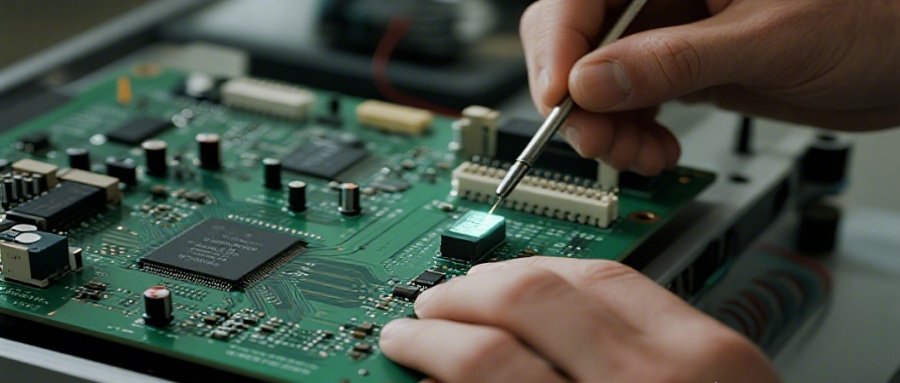
Rework in PCBA
- Definition: Rework refers to corrective actions taken on defective assemblies to restore functionality and compliance with design specifications.
- Common Rework Activities
- Component replacement: Removing and soldering new ICs, resistors, or capacitors.
- Solder joint repair: Fixing cold solder joints, bridges, or insufficient solder.
- Trace repair: Correcting short circuits or open circuits.
- Cleaning: Removing flux residues or contaminants.
- Risks of Rework
- Pad lifting: Excessive heat can damage PCB pads.
- Component damage: Sensitive devices may fail under repeated heating.
- Reduced reliability: Reworked solder joints may not match original strength.
- Increased cost: Extra labor, equipment, and inspection add to production expenses.
Design for Manufacturability (DFM)
- Definition: DFM is the practice of designing PCBs with manufacturing processes in mind, aiming to minimize defects and simplify assembly.
- Key Principles
- Component spacing: Adequate clearance for soldering and rework tools.
- Pad design optimization: Proper dimensions and spacing to ensure robust solder joints.
- Thermal management: Balanced copper distribution to avoid uneven heating.
- Test point allocation: Facilitates ICT/FCT testing and fault diagnosis.
- Standardized components: Simplifies sourcing and reduces rework complexity.
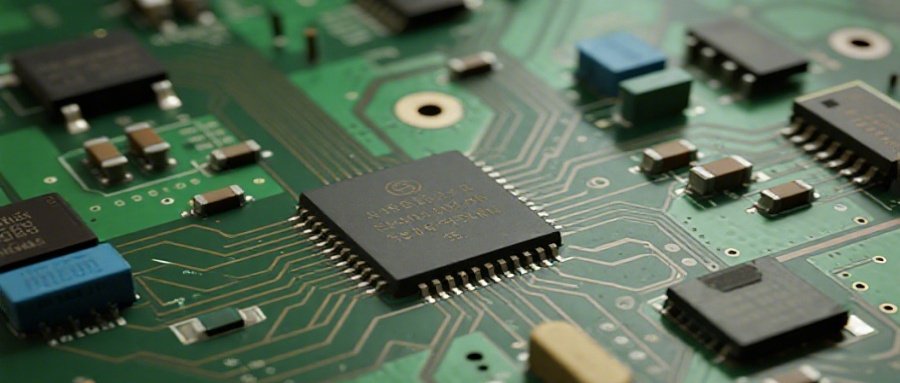
Rework vs. Manufacturability: A Comparative View
| Dimension | Rework Impact | DFM Optimization |
|---|---|---|
| Soldering Process | Risk of pad damage during repair | Proper pad design and reflow profile |
| Component Layout | Crowded areas difficult to rework | Clear spacing for accessibility |
| Material Reliability | Multiple reworks reduce PCB lifespan | Use high‑quality, heat‑resistant materials |
| Testing and Diagnosis | Faults harder to locate | Pre‑designed test points |
| Cost Control | Labor and equipment expenses rise | Higher first‑pass yield reduces rework |
Conclusion
Rework is a necessary safeguard in PCBA production, but it should never become a routine solution. Excessive rework undermines reliability and increases costs. By applying Design for Manufacturability principles during the design stage, manufacturers can significantly reduce the likelihood of defects, simplify assembly, and improve overall product quality. The synergy between careful design and controlled rework ensures that PCBA processes remain efficient, reliable, and competitive in today’s electronics industry.


 English
  Deutsch
  Français
  Português do Brasil
  Español
  日本語
日本語  Nederlands
  Italiano
  한국어
한국어  العربية
  Svenska
  Polski
  Türkçe
  繁體中文
繁體中文