
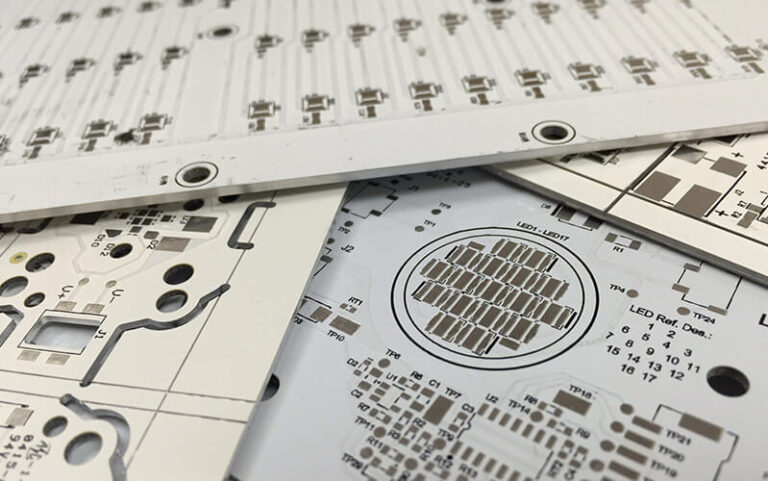
Aluminum PCB, also known as metal-based PCB or aluminum-clad PCB, is widely used in modern electronics for its excellent heat dissipation, durability, and lightweight structure. This article explains what aluminum PCB is, how it is made, and its diverse applications across industries.
What is Aluminum PCB
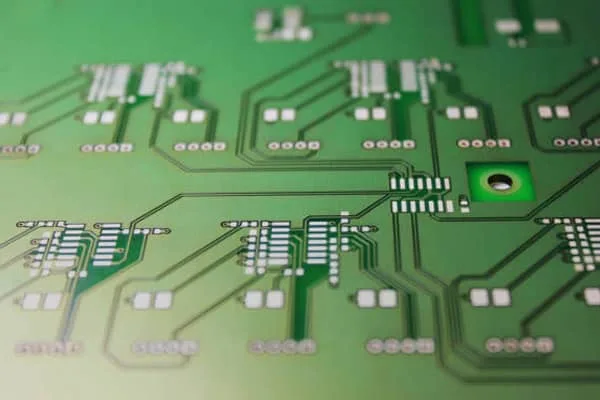
An Aluminum PCB is a type of printed circuit board that uses an aluminum base instead of the traditional FR4 material. It is designed with three main layers: a copper layer, an insulating dielectric layer, and an aluminum base layer. The aluminum core helps transfer heat away from components, making it ideal for power devices and LED applications.
Structure of Aluminum PCB
The typical structure includes:
- Copper layer: conducts current efficiently.
- Dielectric layer: provides insulation while allowing thermal transfer.
- Aluminum base: offers strong mechanical support and heat dissipation.
Types of Aluminum PCB
Depending on the design and application, there are several types:
- Single-layer aluminum PCB – most common and cost-effective.
- Double-layer aluminum PCB – provides more routing options.
- Multilayer aluminum PCB – suitable for complex circuits.
- Flexible aluminum PCB – combines flexibility with high thermal conductivity.
How Aluminum PCB is Made
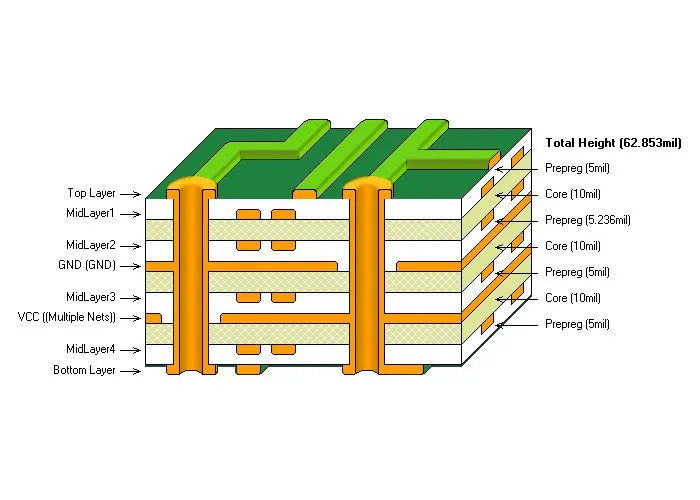
The manufacturing process of aluminum PCB includes:
- Preparation of aluminum substrate with protective coating.
- Lamination of dielectric and copper layers.
- Circuit imaging and etching to create conductive paths.
- Drilling and plating for via connections.
- Solder mask and surface finishing for protection.
- Quality testing to ensure performance and durability.
Advantages of Aluminum PCB
Aluminum PCBs offer several benefits over standard FR4 boards:
- Excellent heat dissipation.
- High mechanical strength.
- Better dimensional stability.
- Lightweight compared to ceramic substrates.
- Environmentally friendly due to recyclable aluminum.
Applications in LED Lighting
One of the most popular uses of aluminum PCB is in LED lighting systems. Since LEDs generate significant heat, aluminum substrates help maintain stable performance, extend lifespan, and improve brightness. They are widely used in street lights, automotive lights, and residential LED lamps.
Applications in Power Electronics
Aluminum PCBs are essential in power converters, power supplies, and high-current circuits. Their ability to handle high thermal loads ensures reliable performance in industrial and automotive electronics.
Applications in Communication Equipment
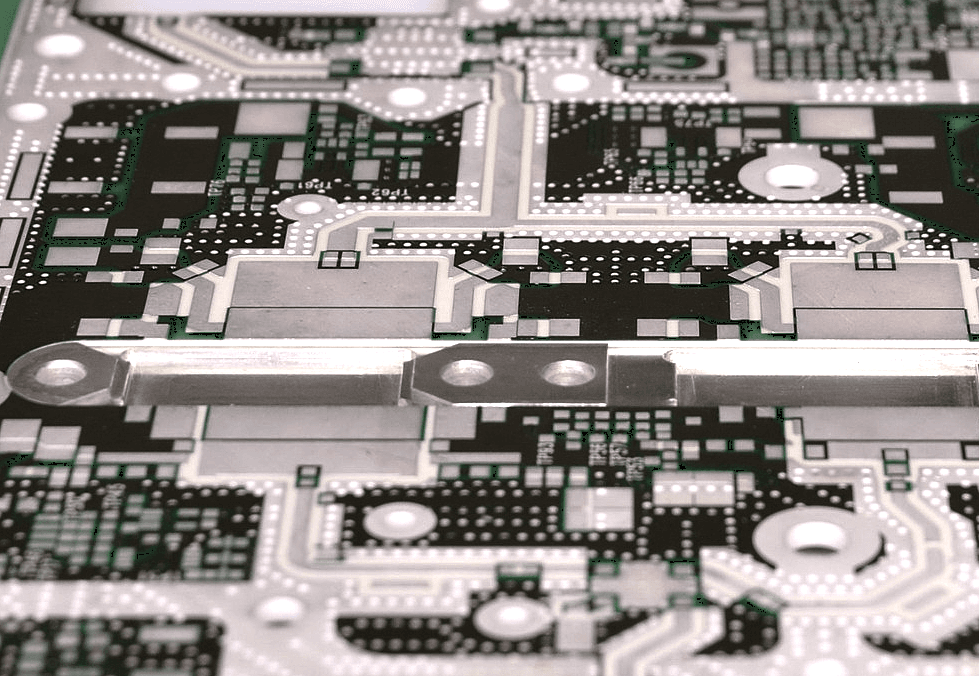
In the telecommunication industry, aluminum PCBs are used in devices such as radios, antennas, and base stations, where both signal stability and heat dissipation are critical.
Applications in Automotive Industry
Modern vehicles require advanced electronics for headlights, braking systems, sensors, and control modules. Aluminum PCBs provide the reliability and heat management needed for automotive environments.
Future of Aluminum PCB Technology
With the growing demand for high-performance electronics, the aluminum PCB market is expanding rapidly. Innovations in dielectric materials, multilayer structures, and hybrid designs will further improve performance, making them more vital in next-generation devices.


 Japanese
  English
  German
  French
  Portuguese
  Spanish
  Dutch
Dutch  Italian
  Korean
  Arabic
  Swedish
  Luxembourgish
  Polish
  Danish
  Turkish
  Thai
Thai