What is PCBA?
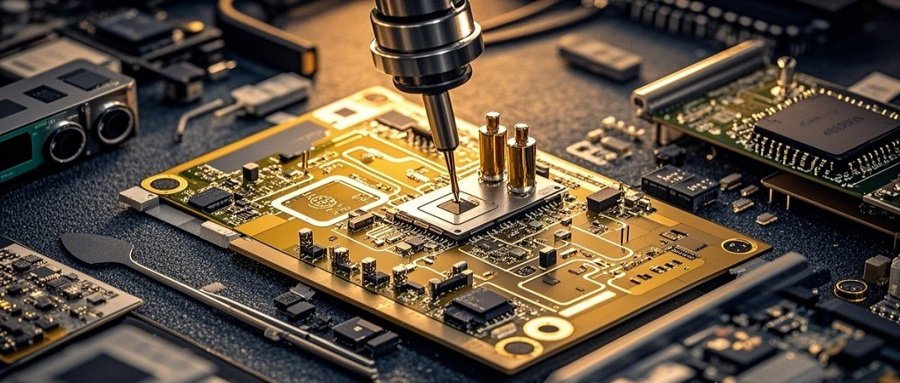
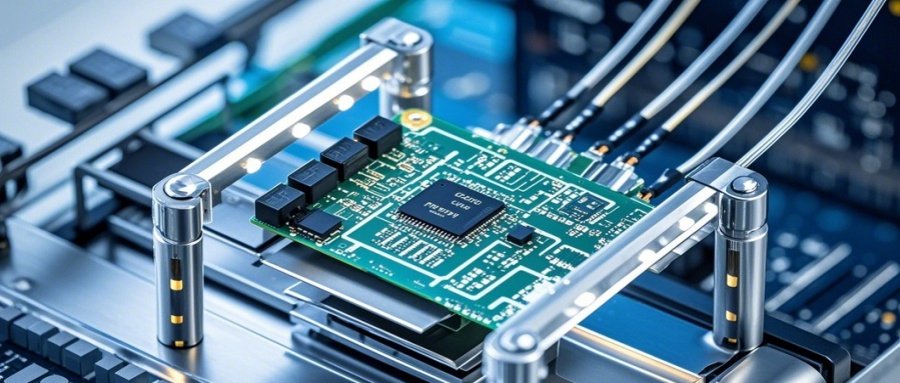
Printed Circuit Board Assembly (PCBA) refers to the process of mounting and soldering electronic components onto a bare Printed Circuit Board (PCB). While a PCB is simply the board with copper traces, a PCBA is the fully assembled board that can perform specific electronic functions.
Key Steps in PCBA Process
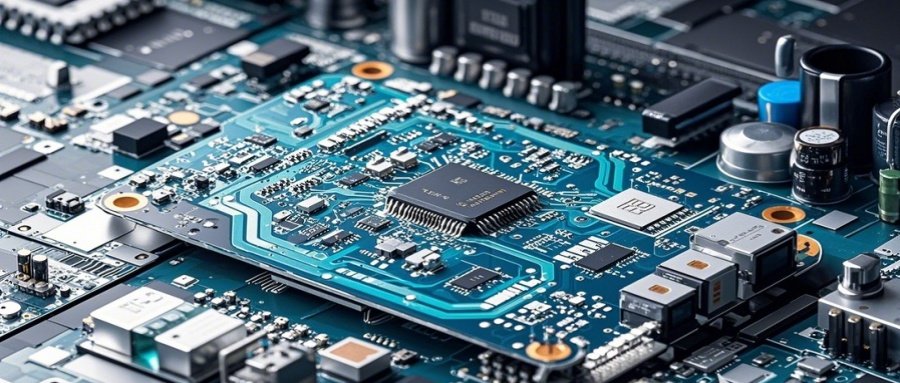
- Design & Layout Engineers design the PCB layout using CAD software, defining where components will be placed and how they will connect.
- Component Procurement Electronic parts such as resistors, capacitors, ICs, and connectors are sourced according to the Bill of Materials (BOM).
- Solder Paste Printing A stencil is used to apply solder paste onto the PCB pads where components will be mounted.
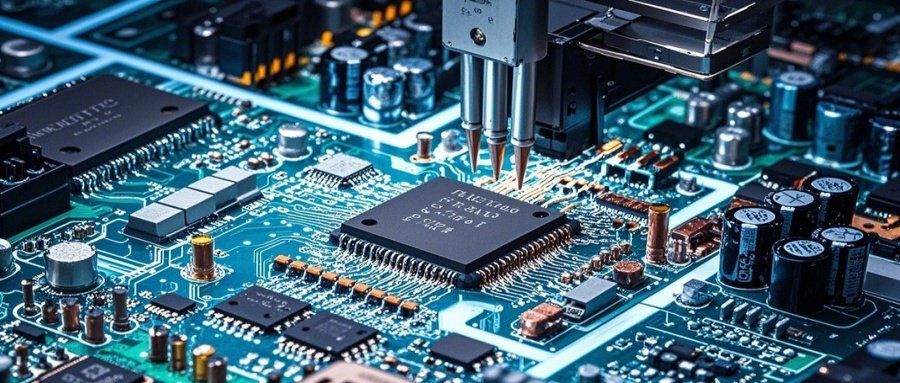
- Pick and Place Automated machines place surface-mount devices (SMDs) onto the board with high precision.
- Reflow Soldering The board passes through a reflow oven, melting the solder paste to permanently attach components.
- Through-Hole Assembly Larger components may be inserted manually or by machine into drilled holes and soldered, often using wave soldering.
- Inspection & Testing Quality checks such as Automated Optical Inspection (AOI), X-ray inspection, and functional testing ensure reliability.
Types of PCBA
- Surface-Mount Technology (SMT): Components are mounted directly onto the PCB surface.
- Through-Hole Technology (THT): Leads of components are inserted into drilled holes and soldered.
- Mixed Technology: Combines SMT and THT for complex boards.
Importance of PCBA
- Miniaturization: Enables compact designs for modern electronics.
- Reliability: Ensures stable electrical connections and long product life.
- Scalability: Supports mass production with automated assembly lines.
- Functionality: Transforms a passive PCB into an active electronic circuit.
Applications
PCBA is the backbone of nearly all electronic devices, including:
- Smartphones and computers
- Automotive electronics
- Medical devices
- Industrial control systems
- Consumer electronics (TVs, wearables, home appliances)
In short, PCBA is the critical step that brings a PCB to life, turning a simple board into a functional electronic system.