
Introduction
Printed Circuit Board Assembly (PCBA) is the backbone of modern electronics manufacturing. However, during production and testing, various problems can arise that affect quality, reliability, and cost. Effective handling of PCBA issues requires a systematic approach combining technical analysis, preventive measures, and continuous improvement.
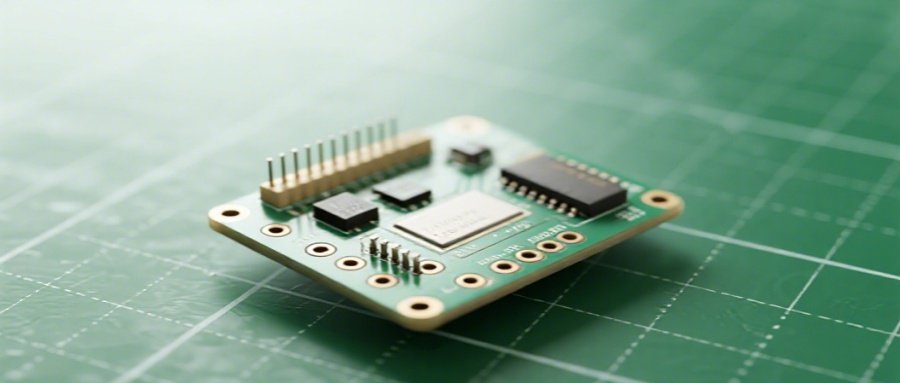
Common PCBA Problems
- Soldering defects: Cold joints, bridging, or insufficient wetting caused by improper temperature profiles or contamination.
- Component misalignment: Incorrect placement due to pick-and-place machine calibration errors or human oversight.
- Electrostatic discharge (ESD) damage: Sensitive components damaged during handling without proper grounding.
- PCB warpage: Board bending due to uneven heating or poor material selection.
- Contamination: Dust, flux residues, or moisture leading to corrosion and reduced reliability.
- Testing failures: Functional or in-circuit test errors caused by design flaws or assembly defects.
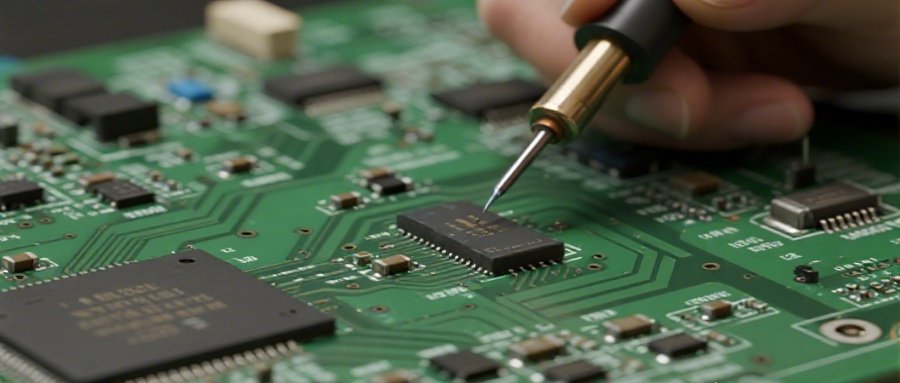
Root Causes
- Process control issues: Inconsistent soldering profiles, inadequate cleaning, or poor machine calibration.
- Material quality: Substandard PCBs, counterfeit components, or improper storage conditions.
- Human factors: Operator error, insufficient training, or lack of ESD awareness.
- Design limitations: Poor PCB layout, inadequate spacing, or thermal management problems.
Solutions and Best Practices
- Implement strict process monitoring: Use SPC (Statistical Process Control) to track soldering, placement, and reflow parameters.
- Enhance quality assurance: Introduce AOI (Automated Optical Inspection) and X-ray inspection for hidden defects.
- Improve material management: Source from reliable suppliers and maintain proper storage conditions.
- Strengthen ESD protection: Use wrist straps, grounding mats, and controlled environments.
- Continuous training: Regular workshops for operators and engineers to update skills.
- Design for manufacturability (DFM): Collaborate with design teams to ensure layouts are optimized for assembly and testing.
Conclusion
PCBA problem handling is not just about fixing defects—it’s about building a culture of prevention, precision, and improvement. By combining robust process control, advanced inspection technologies, and skilled personnel, manufacturers can significantly reduce risks and deliver high-quality electronic products.


 English
  Deutsch
  Français
  Português do Brasil
  Español
  日本語
日本語  Nederlands
  Italiano
  한국어
한국어  العربية
  Svenska
  Polski
  Türkçe
  繁體中文
繁體中文