
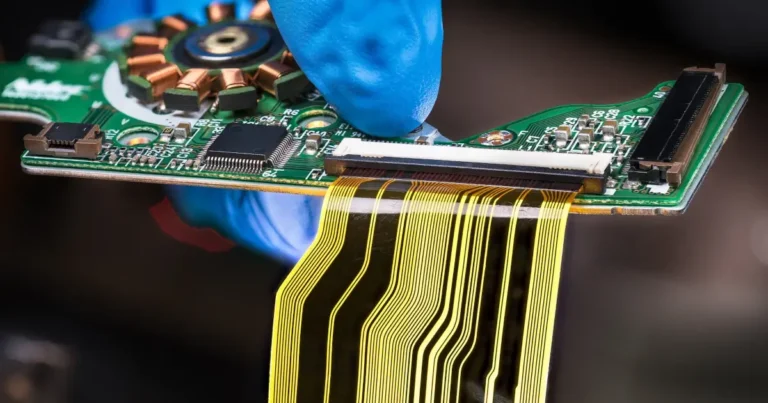
Rigid-Flex PCB is a special type of printed circuit board that combines the rigidity of traditional boards with unique winding structures, offering enhanced electrical performance and stability. This article explains what a Rigid-Flex PCB is, its design process, manufacturing steps, and wide range of applications in modern industries.
Introduction to Rigid-Flex PCB
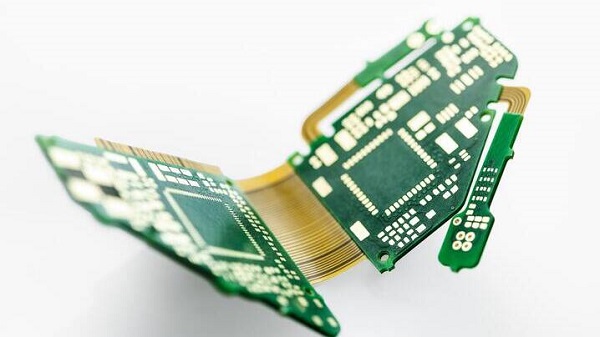
A Rigid-Flex PCB is a hybrid structure where conductive layers are wound or coiled within a rigid substrate. Unlike conventional rigid or flexible PCBs, this design provides superior current-carrying capacity and compact layouts, making it ideal for high-power and high-density electronic applications.
Key Features of Rigid-Flex PCB
The standout features of Rigid-Flex PCBs include:
- High mechanical strength from rigid substrates.
- Wound copper layers for efficient electrical transmission.
- Improved thermal dissipation compared to standard boards.
- Compact size for high-power applications.
Rigid-Flex PCB Design Principles
Designing a Rigid-Flex PCB requires advanced CAD tools and precise engineering. Designers must consider:
- Layer winding structure and geometry.
- Copper thickness and trace width for current flow.
- Thermal management strategies.
- Integration with rigid dielectric materials for stability.
Materials Used in Rigid-Flex PCB

The performance of a Rigid-Flex PCB depends on the choice of materials. Common materials include:
- FR4 and ceramic substrates for rigidity.
- High-conductivity copper foils.
- Specialized insulating layers to withstand high voltages.
Manufacturing Process of Rigid-Flex PCB
The production of Rigid-Flex PCBs involves several steps:
- Substrate preparation and drilling.
- Copper foil winding or embedding.
- Lamination with insulating layers.
- Precision etching and plating.
- Final assembly and surface finishing.
Advantages of Rigid-Flex PCB
Rigid-Flex PCBs offer numerous advantages such as:
- High power density handling.
- Excellent durability under mechanical stress.
- Reduced size and weight compared to multiple-layer rigid boards.
- Reliable performance in harsh conditions.
Applications of Rigid-Flex PCB
Rigid-Flex PCBs are widely used in industries that demand compact yet powerful electronic solutions, including:
- Automotive power systems.
- Aerospace electronics.
- Industrial automation and robotics.
- Renewable energy systems like solar inverters.
Rigid-Flex PCB vs Traditional Rigid PCB
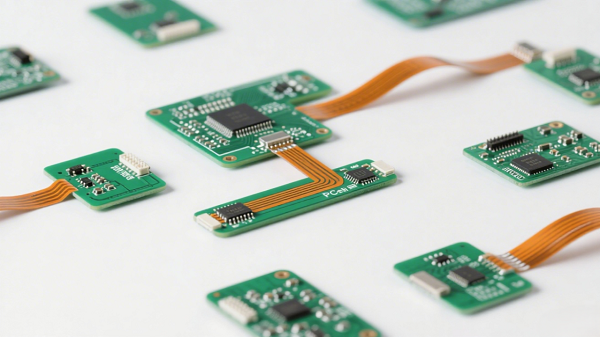
While both belong to the rigid PCB family, Rigid-Flex PCBs differ by their embedded winding structures. This provides better current flow, higher thermal stability, and improved reliability in compact designs compared to traditional rigid PCBs.
Future Trends of Rigid-Flex PCB
With the rise of electric vehicles, AI hardware, and compact power systems, the demand for Rigid-Flex PCBs is expected to grow. Future innovations will focus on advanced materials, higher current capacity, and cost-efficient production methods.
Why Choose Tenxinjie for Rigid-Flex PCB
At Tenxinjie, we specialize in PCB manufacturing and assembly, including advanced solutions like Rigid-Flex PCBs. With years of expertise, strict quality control, and global delivery, we provide customers with reliable and customized electronic solutions.



 French
  English
  German
  Portuguese
  Spanish
  Japanese
  Dutch
Dutch  Italian
  Korean
  Arabic
  Swedish
  Luxembourgish
  Polish
  Danish
  Turkish
  Thai
Thai