
How to Choose a Reliable PCB Assembly Manufacturers
Choosing a reliable PCB Assembly manufacturers is one of the most critical decisions for hardware startups and established OEMs alike. In an era of global supply chain volatility, your choice of partner directly impacts your product’s time-to-market, cost-efficiency, and long-term reliability.
To help you navigate this complex selection process, we have outlined the key pillars of a high-quality electronics contract manufacturer (ECM).
1. Technical Capabilities and Equipment
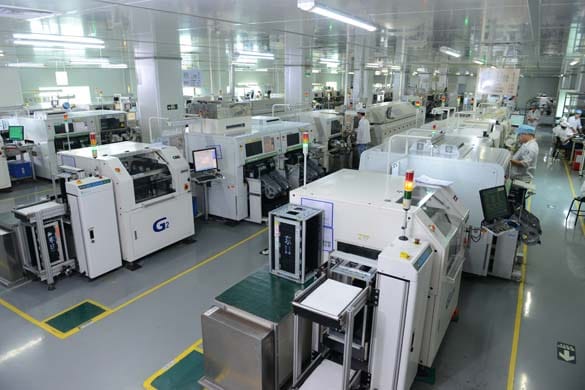
A manufacturer is only as good as the technology on their factory floor. When auditing a potential PCBA partner, look beyond the sales pitch and inspect their machinery.
Modern SMT Lines
The heart of any PCBA production facility is the Surface Mount Technology (SMT) line. High-speed pick-and-place machines, multi-zone reflow ovens, and high-precision solder paste printers are essential for handling modern, miniaturized components like 01005 passives and fine-pitch BGAs.
Specialized Services
Does your project require more than standard assembly? Ensure they offer:
BGA Rework: The ability to safely remove and replace Ball Grid Array components.
Conformal Coating: Essential for protecting industrial electronics from moisture and dust.
Box-Build Assembly: If you need the final product fully assembled in its housing.
2. Quality Certifications and Compliance
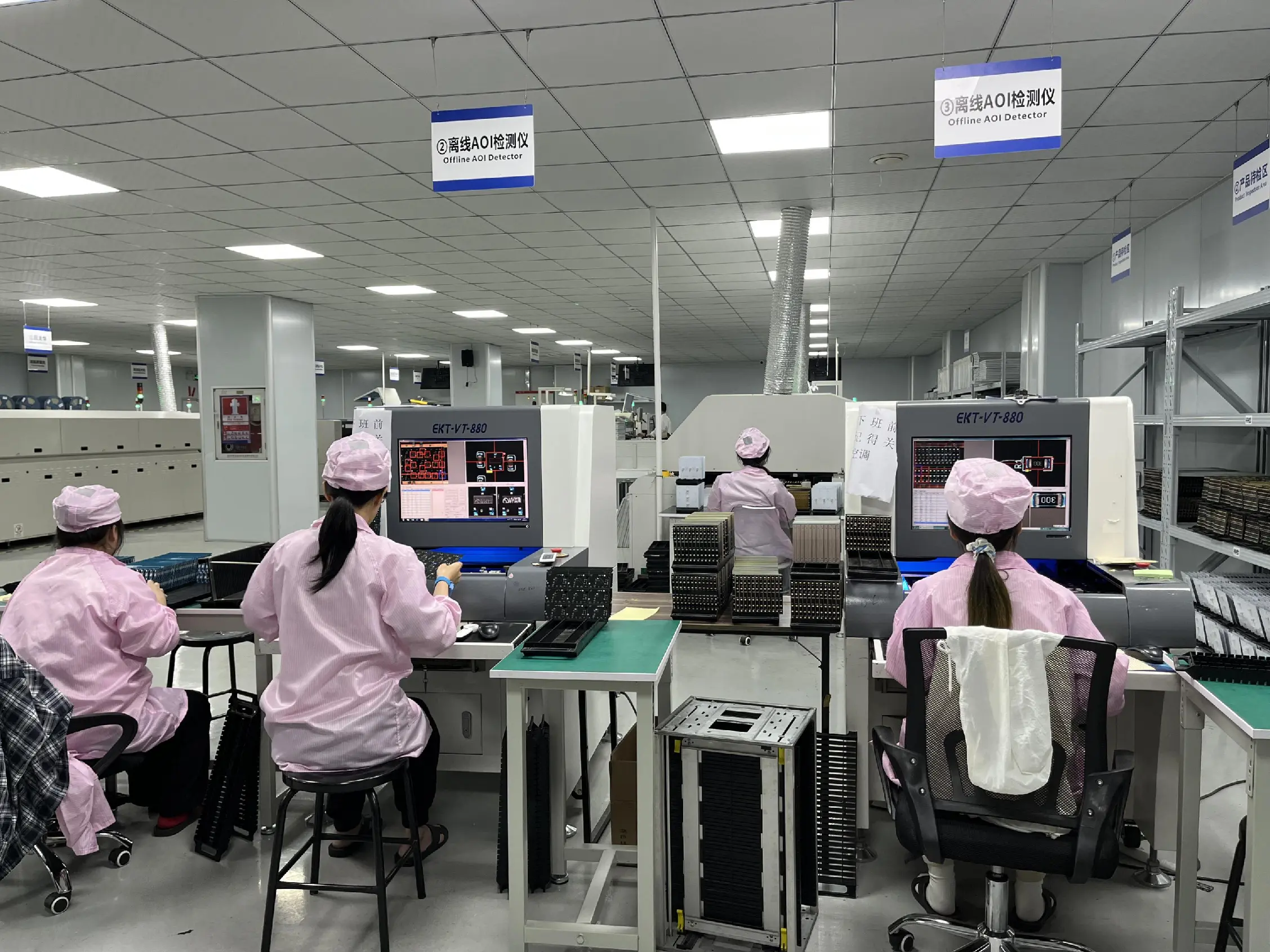
In the Western market, compliance is the baseline for trust. A reliable manufacturer must adhere to international quality standards to ensure your pcb assembly meets safety and performance requirements.
The “Must-Have” Certifications
ISO 9001:2015: The gold standard for general quality management.
IPC-A-610: This is the industry standard for the acceptability of electronic assemblies. Ensure their technicians are trained to IPC Class 2 (standard) or IPC Class 3 (high-reliability/medical).
UL Certification: Crucial for products being sold in the North American market to ensure fire and electrical safety.
RoHS & REACH Compliance: Vital for the European market to ensure the absence of hazardous substances in the soldering process.
3. Supply Chain and Component Sourcing
A major risk in PCBA manufacturing is the infiltration of counterfeit components. A reliable manufacturer must have a transparent and robust procurement strategy.
Sourcing Transparency
Authorized Distributors: Do they buy directly from reputable sources like Digi-Key, Mouser, or Arrow?
Counterfeit Detection: Do they have a process for verifying the authenticity of parts, especially when sourcing from the open market during shortages?
Obsolescence Management: Can they help you find alternatives if a component on your BOM (Bill of Materials) goes End-of-Life (EOL)?
4. DFM Support: The “Hidden” Value
The best PCBA manufacturer act as partners, not just vendors. They should provide a comprehensive Design for Manufacturing (DFM) report before production begins.
A proactive DFM review identifies:
Soldering Risks: Inadequate thermal relief or pad sizes that could lead to tombstoning or solder bridging.
Placement Efficiency: Layout issues that might slow down the SMT assembly process.
Cost Reductions: Suggesting alternative components or board stack-ups that offer the same performance at a lower price point.
5. Testing and Inspection Protocols
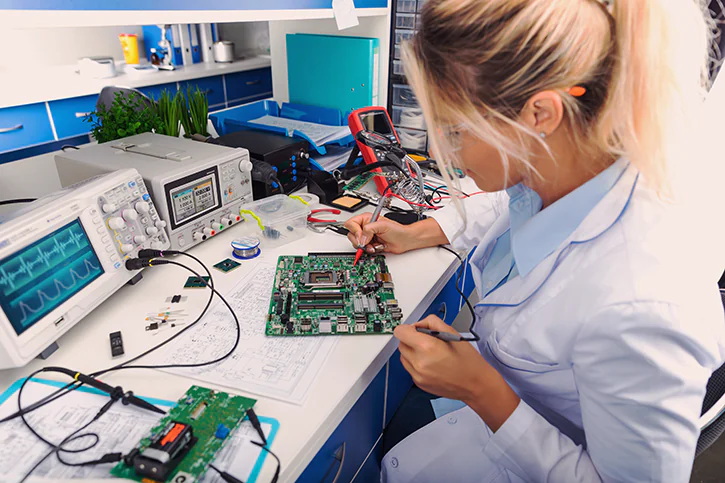
A low unit price is meaningless if the failure rate is high. Your pcba manufacturer should have a “multi-layered” inspection strategy to catch defects early in the assembly process.
| Inspection Method | What it Detects |
| 3D SPI (Solder Paste Inspection) | Insufficient paste, bridging, or volume inconsistencies before reflow. |
| AOI (Automated Optical Inspection) | Missing components, polarity errors, and visible solder defects. |
| X-Ray Inspection | Voids and shorts hidden underneath BGA or QFN components. |
| ICT (In-Circuit Testing) | Electrical connectivity and component values. |
| FCT (Functional Testing) | Ensures the final PCBA actually performs its intended function. |
6. Communication and Cultural Alignment
For European and American clients, communication is often the deciding factor. A reliable pcba partner should offer:
Transparent Timelines: Realistic lead times for both prototyping and mass production.
Technical Fluency: Sales and engineering teams who can discuss complex PCBA soldering issues in clear English.
Responsiveness: In the fast-paced electronics world, a 24-hour response time is the industry standard.
Conclusion
Choosing a PCBA manufacturer is about finding a balance between technical expertise, quality assurance, and proactive communication. By focusing on DFM capabilities, IPC compliance, and rigorous testing protocols, you can build a partnership that scales with your business.


 Español
  English
  Deutsch
  Français
  Português do Brasil
  日本語
日本語  Nederlands
  Italiano
  한국어
한국어  العربية
  Svenska
  Polski
  Türkçe
  繁體中文
繁體中文